
Debt collection
AI voice agents for debt collection and payment reminders
The agent calls customers in soft and early-stage collection, confirms who it is talking to, explains the amount due and agrees a payment date. Your collectors keep the hard cases.

How the call goes
Verify the customer
Step 1 of 4The agent introduces itself as an AI agent, names your company and checks identity with the details you choose: date of birth, the last digits of the contract or a code.
Explain the balance
Step 2 of 4It reads the amount, due date and late fee from your system, then answers questions about the loan or card from your knowledge base.
Agree on payment
Step 3 of 4The customer can pay now by link, pick a date or ask for a plan. The agent records the promise to pay with the amount and the date.
Log and follow up
Step 4 of 4Each outcome goes back to your CRM or collection system. A broken promise triggers the next call or a message on WhatsApp or SMS.
Sample call
- AI agent
Good afternoon, this is Mia, an AI agent from Northwind Bank. Am I speaking with Daniel Ortiz?
- Customer
Yes, that's me.
- AI agent
For security, please confirm the last four digits of your contract number.
- Customer
4417.
- AI agent
Thank you. Your loan payment of $310 was due on the 5th. Can you pay it this week?
- Customer
I get paid on Friday.
- AI agent
Then I'll note a payment of $310 on Friday and send you a payment link by SMS that morning. Does that work?
- Customer
Yes.
Compliance and human control
Your compliance team sets the rules: calling hours, attempt limits and the disclosure script. In the US, collectors follow the FDCPA and Regulation F, which presumes a violation after more than seven call attempts in seven days about one debt, and the FCC treats AI-generated voices as artificial voices under the TCPA. Supervisors can listen to live calls, and the agent passes disputes and hardship cases to a person with the transcript.
HULI project results
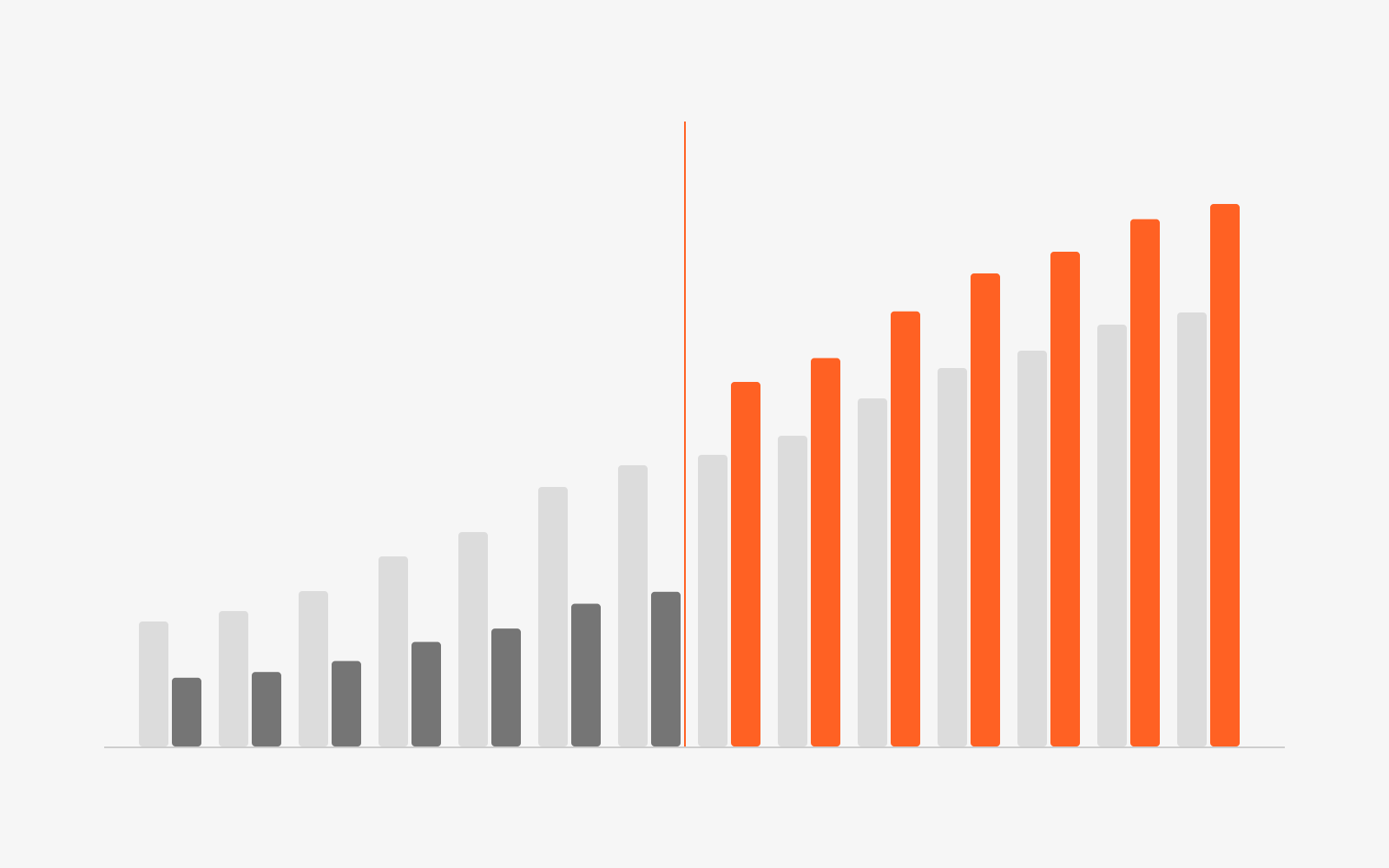
Contact rate up to 56% in early‑stage collection
Voice AI handles reminders 24/7 and keeps recovery stable at a fraction of the cost of manual outreach
83.3%
RPC
66.1%
KEPT
64.3%
PTP
3×
Cost reduction
RPC is right-party contact, PTP is promise to pay, and KEPT is the share of promises that turned into payments.
What to measure
- Right-party contact rate
Share of calls where the agent reached the borrower and not a relative or voicemail.
- Promise-to-pay rate
Share of right-party calls that end with an agreed amount and date.
- Kept rate
Share of promises paid in full by the agreed date. It links the campaign to recovered cash.
- Cost per collected dollar
Total campaign cost divided by the amount recovered. Compare it with your manual team.
Questions
Articles on this scenario
- 6 min read
Use cases
Debt collection calls in South Africa: call times, family contact and the rules an AI agent must follow
The Council for Debt Collectors' code bars demand calls on Sundays and between 21:00 and 06:00. Each rule on call times, family contact and fees, mapped to the settings of an AI collection agent.
 7 min read
Use cases
AI debt collection calls: what Reg F, the TCPA and the FCC allow
Reg F, the TCPA and two FCC orders set the limits for AI debt collection calls in the US. Each rule as of November 2026, plus a checklist for your first campaign.
 6 min read
Product
AI call disclosure law: do callers have to know they're talking to AI?
The EU requires voice agents to say they are AI. The US, Brazil and Kazakhstan take narrower routes. A market-by-market summary as of November 2026.
Other scenarios


Launch this scenario in 1 day
Start from a ready agent on the platform, or ask the HULI team to build it around your systems.